
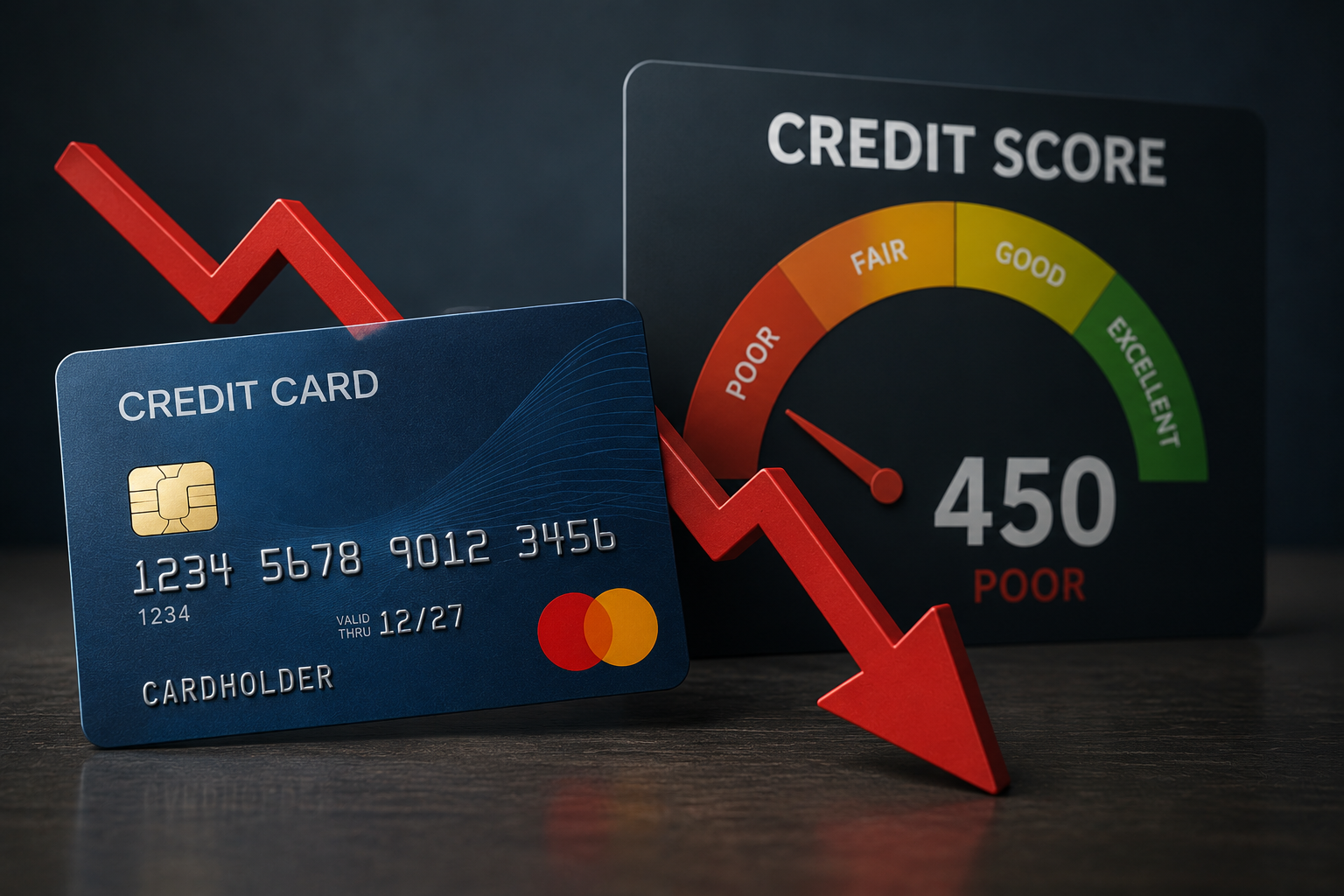
Your Credit Score affects more than just loan approvals. Kensley Financial breaks down what your score actually measures and what small steps can move it in the right direction.
Your credit score is one of the most referenced numbers in your financial life — and one of the least understood. Most people know it matters, but far fewer understand what it actually measures, why it moves up and down, or what realistic steps look like for improving it over time.
At Kensley Financial, we find that credit score education is often the most valuable thing we can offer a client early in the process. Here's what you should know. What Your Score Is Actually Measuring. A credit score is essentially a numerical summary of how reliably you've managed borrowed money over time. The most widely used model — FICO — scores you between 300 and 850, and it weighs five core factors:
Payment history (35%) — whether you pay on time
Credit utilization (30%) — how much of your available credit you're using
Length of credit history (15%) — how long your accounts have been open
Credit mix (10%) — the variety of account types you carry.
New credit inquiries (10%) — how recently you've applied for new credit. Understanding these categories tells you a lot about why your score is where it is — and where the most realistic opportunities for improvement lie.
The Biggest Misconception About Credit Scores. Many people believe their income directly affects their credit score. It doesn't. A person earning $200,000 a year can have a poor credit score, and someone earning $40,000 can have an excellent one. What matters is behavior — specifically, how consistently you meet your obligations and how responsibly you manage the credit available to you.
Small Moves That Make a Real Difference. Improving a credit score is rarely dramatic or fast — and anyone who tells you otherwise isn't being straight with you. However, a few consistent habits do move the needle meaningfully over time:Paying every bill on time, even the minimum, is the single most impactful habit you can build. Payment history carries more weight than any other factor.Keeping your credit card balances below 30% of your available limit — and ideally below 10% — can produce noticeable score improvements within one to two billing cycles.Avoiding unnecessary credit applications in the short term prevents hard inquiries from stacking up and signaling financial instability to lenders.
What a Better Score Actually Unlocks. A stronger credit score isn't just a number to feel good about. It translates to real, tangible financial benefits — lower interest rates on loans, better approval odds, higher credit limits, and in some cases even better terms on insurance or rental applications. Over the course of a lifetime, the difference between a fair and a good credit score can represent tens of thousands of dollars.
How Kensley Financial Approaches This. We don't make promises about how quickly a score will move, because the honest answer is that it depends on your specific situation. What we can do is help you understand where you stand today, identify the factors that are working against you, and walk through what realistic, sustainable progress looks like for your individual circumstances.If your credit score has been a source of confusion or frustration, reaching out for an honest conversation is always a reasonable first step.