
Credit card debt is one of the most expensive forms of borrowing available. Here's why using your card as a loan is a financial trap — and what to do instead.Credit cards are one of the most convenient financial tools in existence. They're accepted everywhere, they offer rewards, and they give you a cushion when cash is tight. But convenience comes at a steep price — and using your credit card as a borrowing vehicle is one of the most costly financial decisions you can make.
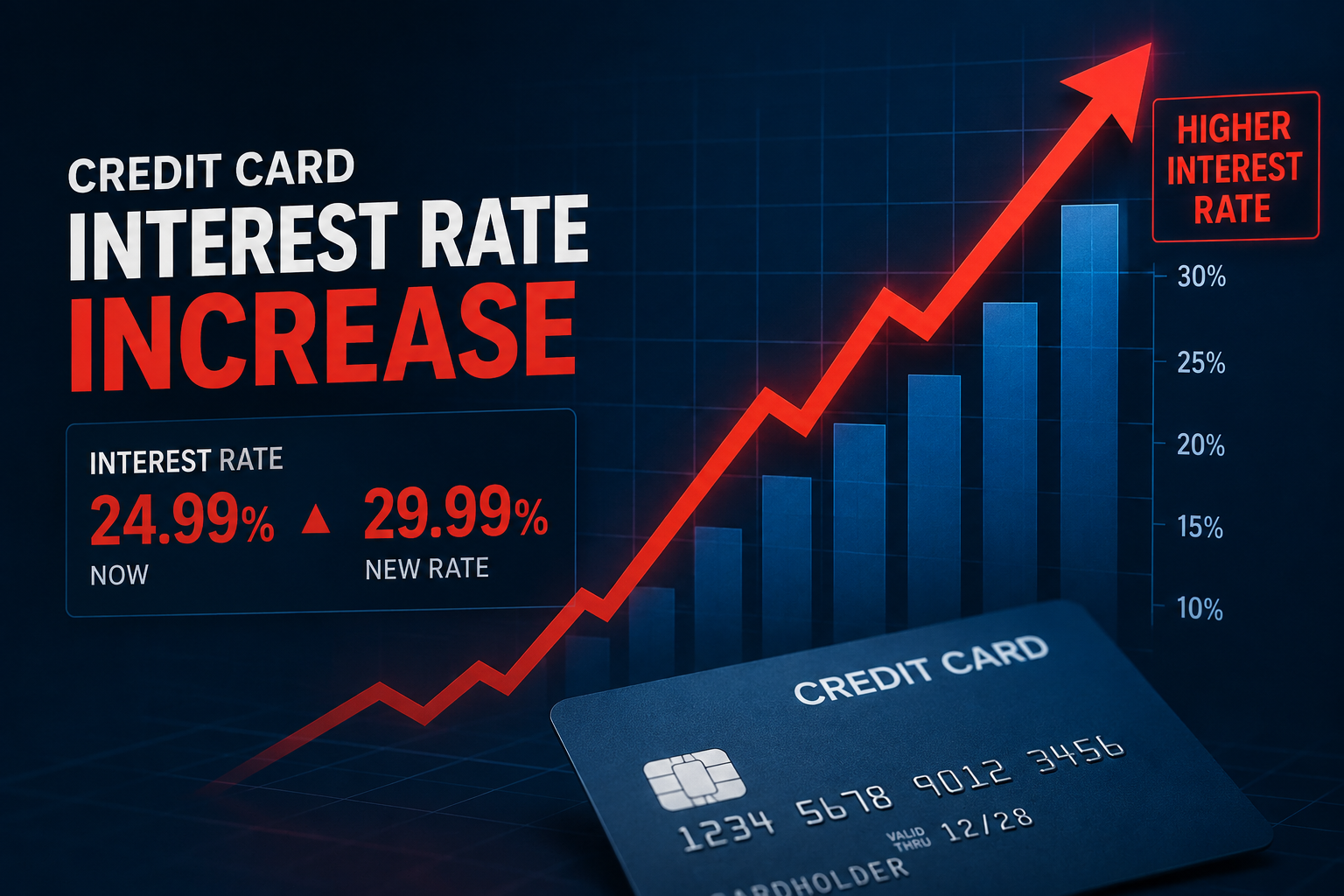
The Interest Rate Problem. The average credit card APR sits well above 20%. Some store cards and subprime cards charge 29% or higher. To put that into perspective: if you carry a $5,000 balance and make only minimum payments, you could end up paying back nearly double that amount over several years — and spend the better part of a decade doing it.Personal loans, by comparison, regularly offer rates in the single digits or low teens for borrowers with decent credit. The gap between credit card interest and almost any alternative form of borrowing is massive.
Minimum Payments Are Designed to Keep You in Debt. This isn't a coincidence — it's a business model. Credit card minimum payments are calculated to keep your balance alive as long as possible, maximizing the interest the issuer collects from you. Paying the minimum on a $3,000 balance at 24% APR can take over 14 years to pay off and cost more than $3,000 in interest alone.
The Credit Utilization Trap Carrying high balances on your credit cards doesn't just cost you in interest — it actively damages your credit score. Credit utilization (the percentage of your available credit you're using) is one of the most significant factors in how your score is calculated. Keeping balances high can lower your score, making it harder to qualify for better financial products when you need them most.
Cash Advances Are Even Worse. If you've ever been tempted to use a credit card cash advance to cover an emergency, the numbers are brutal. Most issuers charge a fee of 3–5% of the advance amount immediately, then apply an even higher APR than your standard purchase rate — with no grace period. You begin accruing interest the moment cash leaves the ATM.
What to Do Instead, If you're in a position where a credit card feels like your only option, there are almost always better alternatives worth exploring:
Personal loans through banks, credit unions, or online lenders typically offer lower rates and fixed repayment timelines.
Debt consolidation loans can roll existing high-interest balances — including credit card debt — into one manageable monthly payment at a lower rate.
Negotiating directly with creditors or working with a consolidation company can sometimes yield hardship programs or reduced settlement terms.
Already Carrying Credit Card Debt? Here's the Play. If you're already sitting on credit card balances, consolidation is often the fastest path out. By replacing high-interest card debt with a single lower-rate loan, you reduce your monthly payment, pay less over time, and give yourself a clear finish line — something minimum payments on credit cards never provide. Credit cards are a tool for convenience and rewards — not for borrowing. The moment they become a source of ongoing debt, they start working against you. The sooner you break that cycle, the better off your finances will be.